How to Protect Your Carpets When You Have Pets
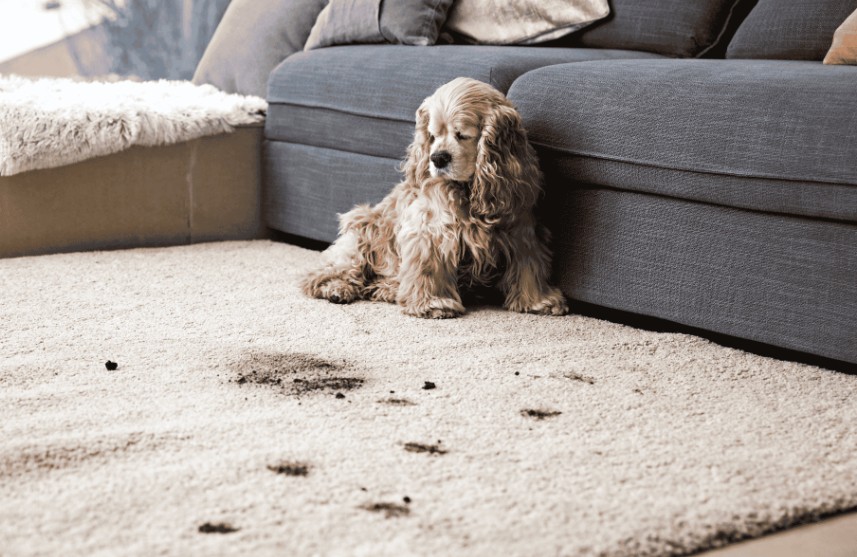
Living with animals brings joy, but it also brings moments that test your patience—and your flooring. One minute you’re enjoying a peaceful evening, and the next, you’re staring at a fresh stain, a pulled thread, or a suspicious damp patch you wish you could unsee. To help you co-exist peacefully with your furry companion, this guide will cover practical, realistic ways to protect your carpets without losing your sanity.
Pinpoint the Source of the Damage
In order to prevent premature wear and tear, you need to understand what your pet is doing and why. Scratches at the doorway often indicate frustration or separation anxiety. Meanwhile, repeated accidents in the same corner suggest a lingering odour that encourages return visits. Chewing or pulling fibres, on the other hand, can signal boredom or excess energy.
To identify both the cause and solution, you need to observe your pet’s behaviour and note when and where it happens. Recurring stains require different treatment than a scratching problem, and odour management is not the same as preventing pet anxiety. Once you pinpoint the root cause of the damage, the rest of your approach becomes far more effective.
Choose the Right Carpet Material
Some carpets can take a beating better than others, and the right material can give you a head start before your pet even enters the room. Wool, for example, adds a luxurious look and feel to any space, but it absorbs liquids quickly and can hold on to odours for dear life. Polyester, on the other hand, resists moisture better but struggles to retain its shape under heavy foot traffic. Nylon is often the best middle ground. It’s durable, easy to clean, and less prone to staining.
If you prefer something even more resilient, consider solution-dyed fibres. These retain their colour well and can endure repeated cleaning sessions without fading. Shorter piles are a practical choice because they trap fewer hairs and reduce the likelihood of snagging.
Use Area Rugs and Carpet Protectors
Even if your main carpet is highly durable, it’s wise to reinforce high-impact zones. Area rugs create a buffer between your floor and your pet’s favourite lounging spots, sparing the carpets underneath the brunt of their daily activity. Not only do they keep your expensive flooring looking brighter for a lot longer, but they’re also much easier to refresh, rotate, and wash. Runners work especially well in hallways, where pets often zoom through with the enthusiasm of a small tornado.
For their feeding areas, waterproof mats will prevent spills from soaking into the carpet beneath. And if your pet has a beloved napping corner, lay down a washable rug that can be refreshed as needed. As for the entryways and those forgotten areas under the furniture, transparent plastic mats and felt carpet protectors will prove useful. They help preserve the carpet pile, and as an added bonus, they’re also quite easy to clean.
Follow a Regular Cleaning Routine
As you probably already know, pet fur tends to accumulate at the speed of light, trapping dust and odours wherever it goes. Frequent vacuuming is the only way to prevent those furry tumbleweeds from weaving with the fibres. Weekly vacuuming is usually enough for low-shedding pets. But if you have a heavy shedder, you’ll need two or three quick passes per week to keep the floor in good shape. When it comes to spills and accidents, you have to spot-treat them as soon as they occur.
The longer you allow them to sit, the harder they are to remove. Whatever you do, do not scrub. This will only push the stain deeper into the pile. Instead, blot the soiled area with a gentle cleaning solution suited to your carpet material.
Natural ingredients, such as baking soda, help neutralise odours, while club soda makes quick work of fresh stains. It also helps to book professional carpet cleaning every few months. With their specialised equipment, expert cleaners can extract hidden dirt and lingering smells far more effectively than you ever could on your own. Over time, these sporadic cleanings will help prolong your carpets’ life without adding extra effort to your routine.
Train Your Pet to Minimise Damage
Even well-behaved pets need guidance, especially when they’re young or settling into a new home. Reward-based training is the best way to teach them which areas are off-limits and which behaviours are encouraged. Start by designating a safe space where your pet can relax. Add a comfortable bed and a few toys, away from delicate carpeting. If you have multiple pets, give each one their own resting place to avoid competition or stress. To reduce the risk of accidents, make sure your dog has regular outdoor breaks and your cat has a consistent litter routine. And if your furry friend has a knack for chewing up the carpets, offer them durable alternatives, such as scratching posts, textured mats, or interactive toys. Redirecting bad behaviour is usually more effective than trying to outright stop it.
Control Odours and Everyday Wear
Pets often return to spots that smell familiar, which is why prompt odour control is essential. If your four-legged friend has an accident, treat the area immediately with an enzymatic cleaner to neutralise the scent rather than masking it. Good ventilation also helps clear out lingering smells more quickly, so make it a habit to crack open the windows on a regular basis.
Managing daily wear is just as important. Simple habits, like wiping muddy paws or trimming claws, help prevent snagging and reduce the oils and dirt that settle into the fibres. It goes without saying that you also need to groom your cat or dog regularly to keep the shedding under control. And if your pet follows the same path through the room, move the furniture every now and then. By redirecting their route, you can prevent one patch from deteriorating too quickly. Rotating rugs from time to time also helps spread out the impact and promote even wear.
Conclusion
It only takes a few seconds for a wagging tail, muddy paw, or a well-meaning but overexcited pet to add a new “feature” to your carpet. With a few simple habits and a little planning, your home can stay warm and welcoming. Even when things go slightly off-script, both your carpets and your pet will remain well looked after.